

Should We Love Ourselves?
Title: Should We Love Ourselves?
Artwork by: YMI
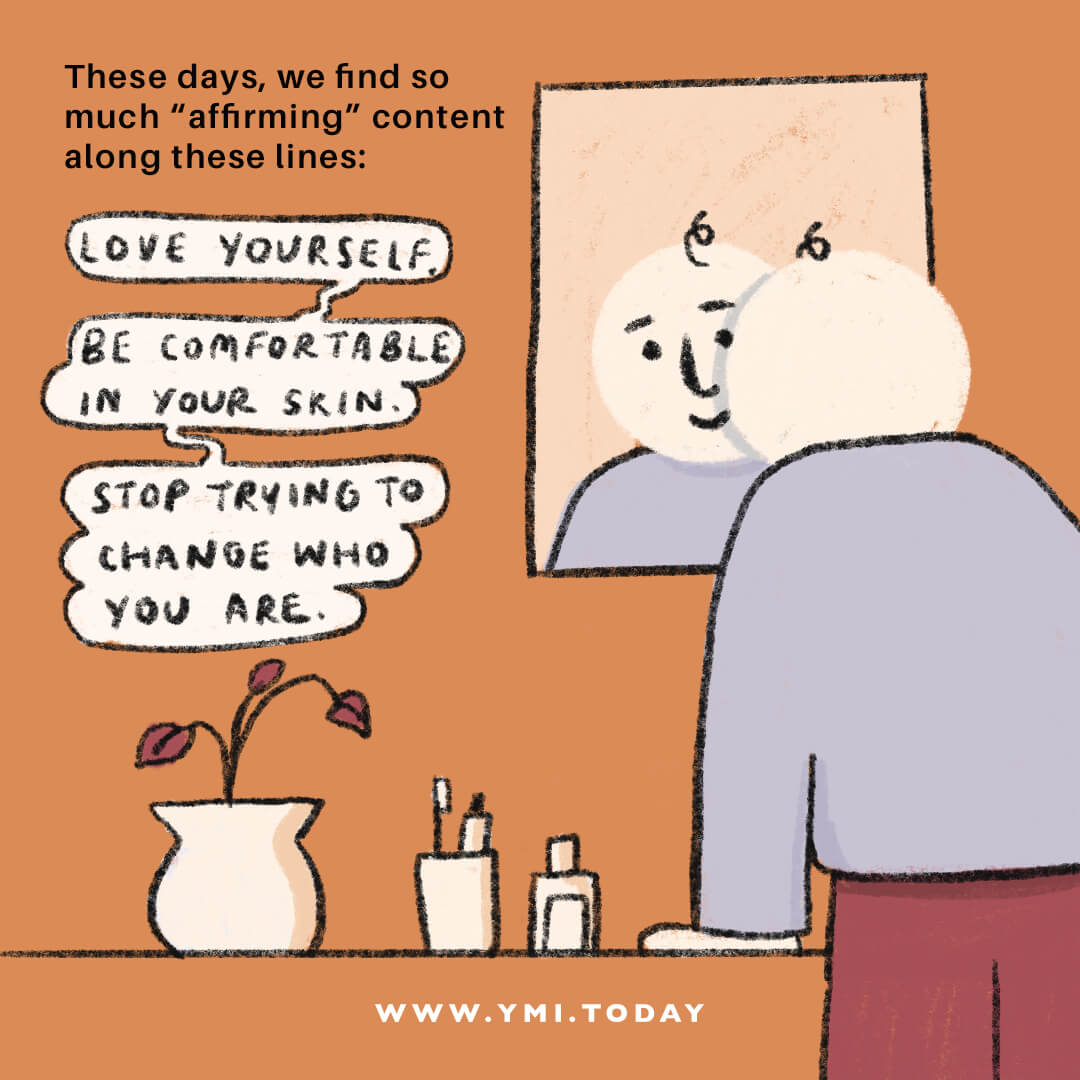
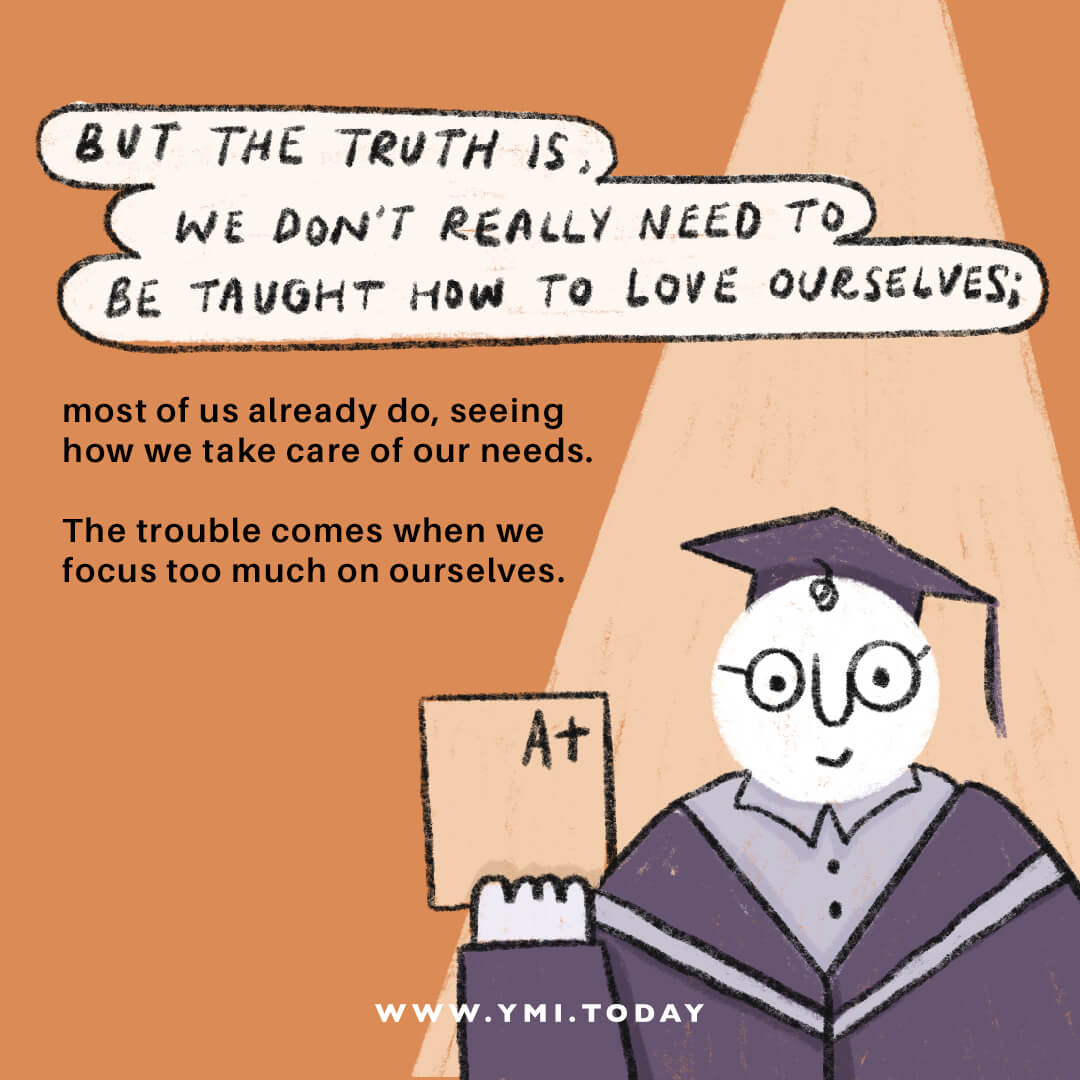
Description: We hear so much about self-love and self-care (“You do you!” “Live your truth.” “Don’t care about what others think!”) these days. Sure, loving and caring for ourselves help us draw healthy boundaries and ensure that we’re treated properly, but sometimes we gotta admit that self-love isn’t enough.
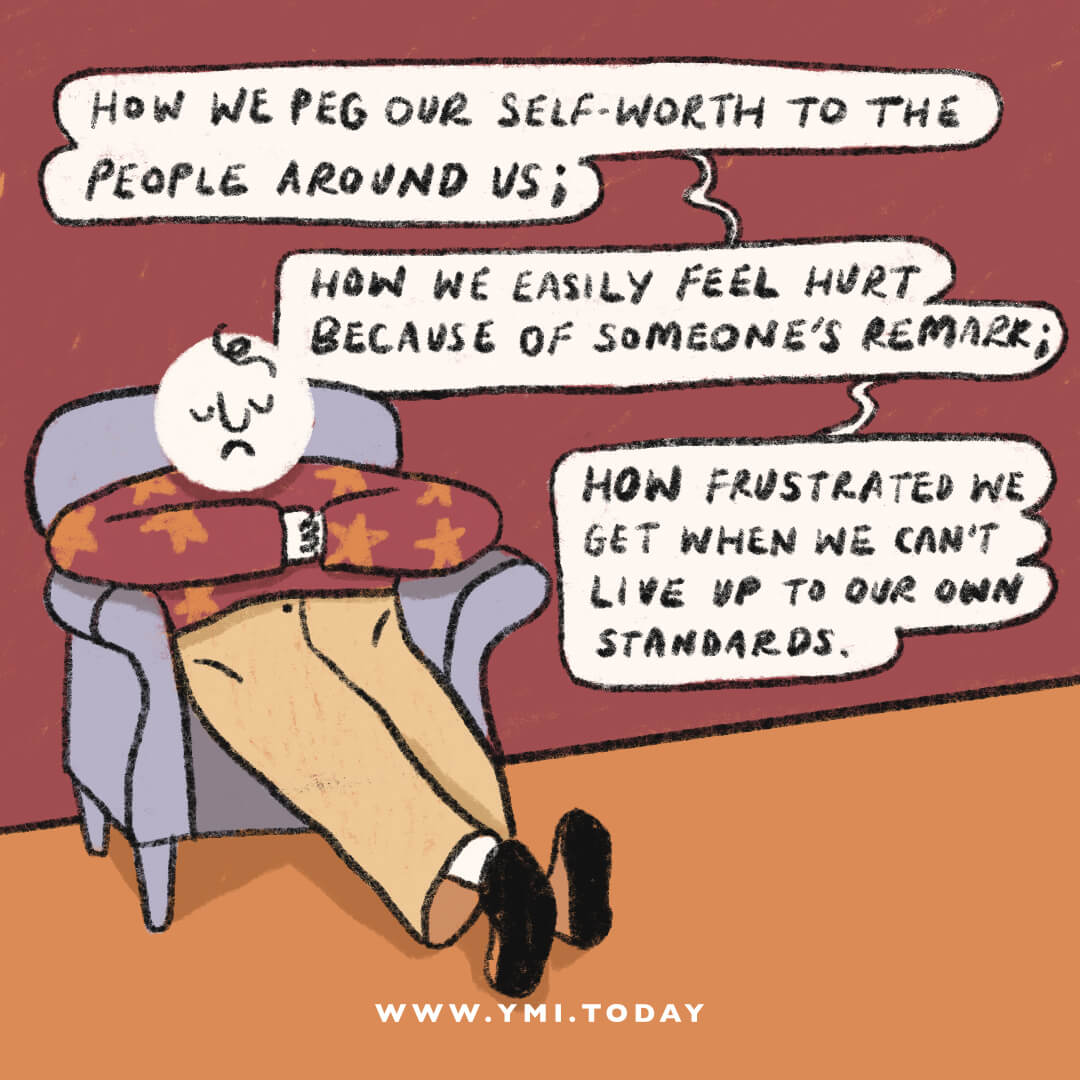
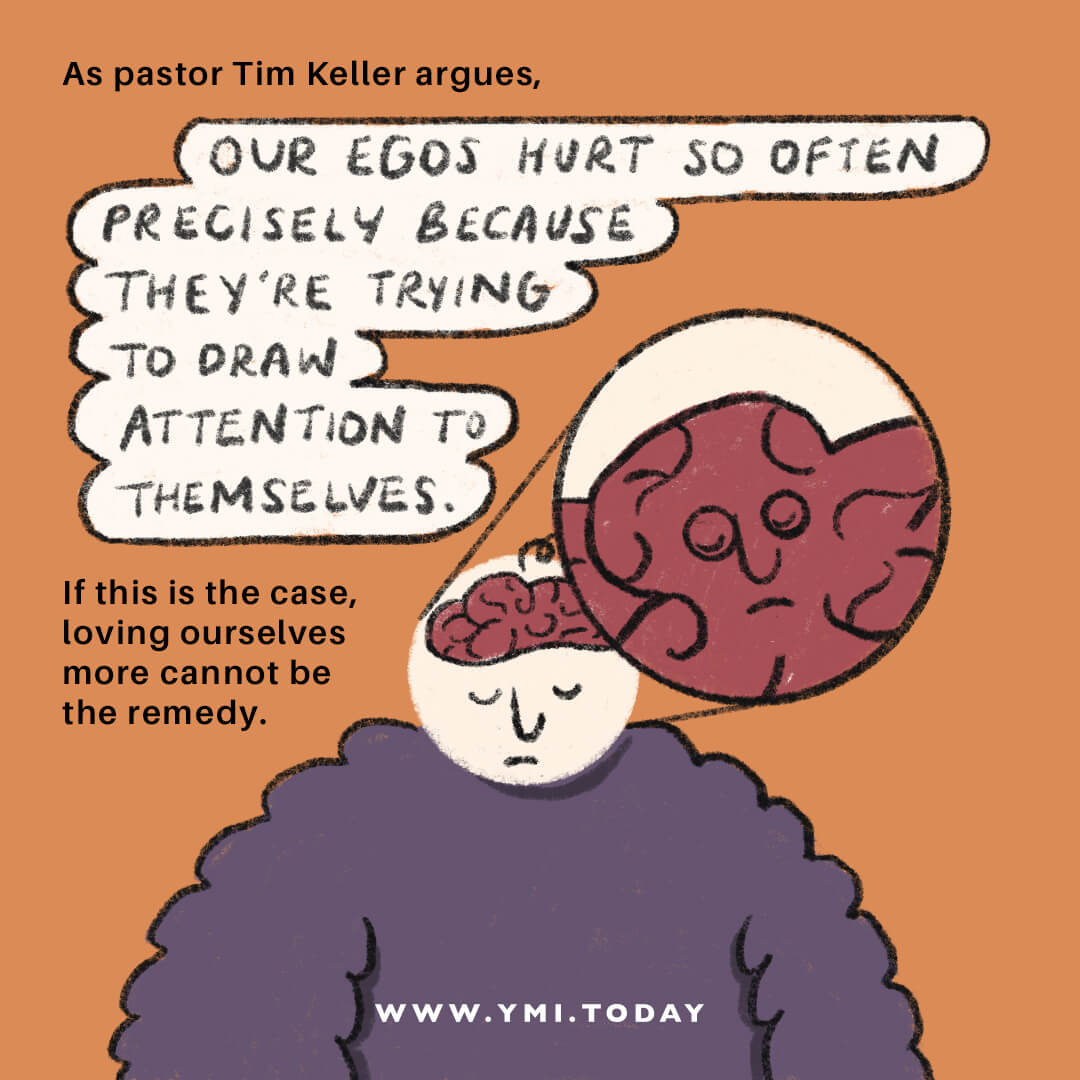
No matter how much we affirm ourselves, it doesn’t remove our problems of self-doubt or fill the emptiness in our hearts. At the end of the day, self-love is largely an effort to save ourselves, which we just can’t do.
We need a stronger, greater love to pull us up and anchor us. Only God can do that.
So let’s go to Him and learn His way of love.

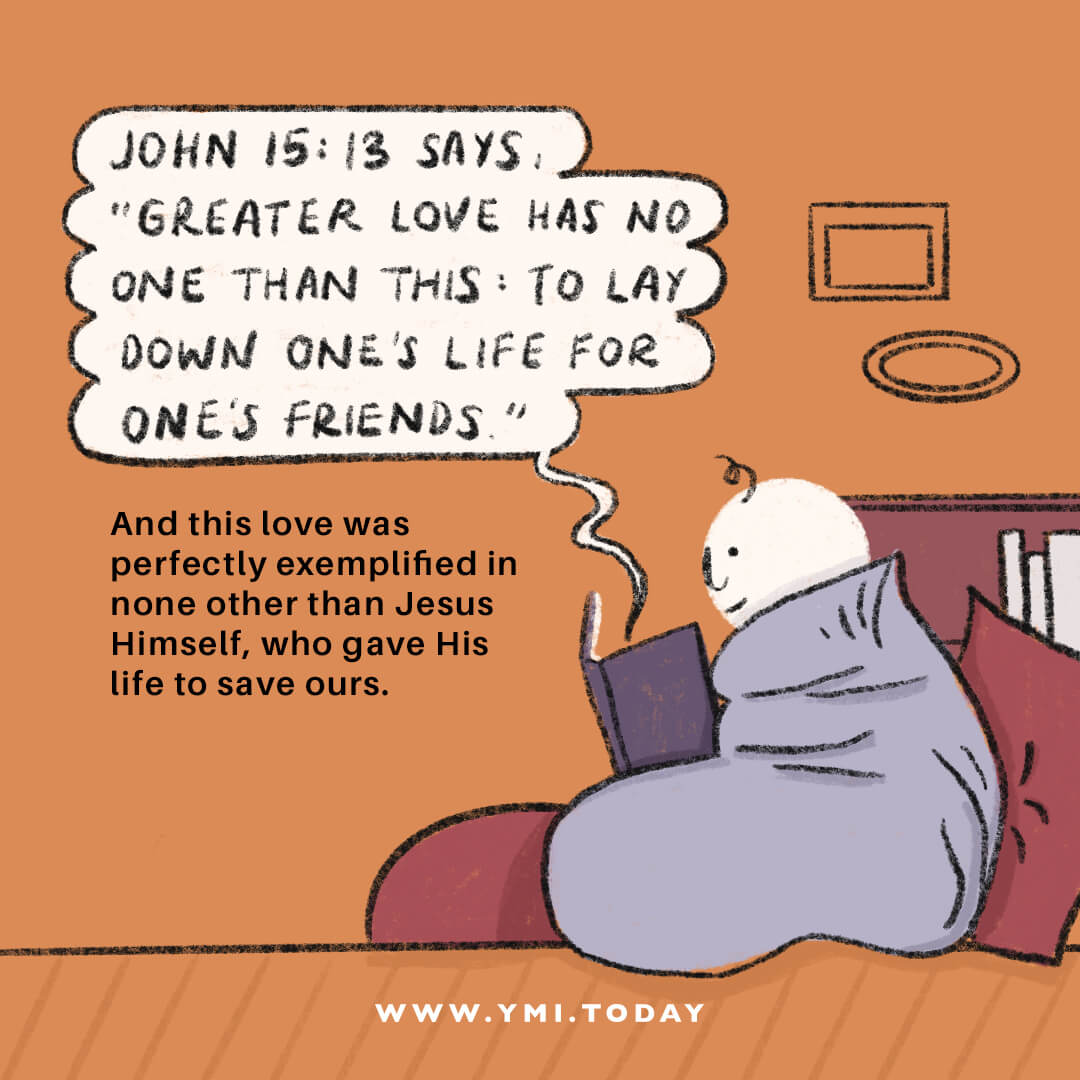
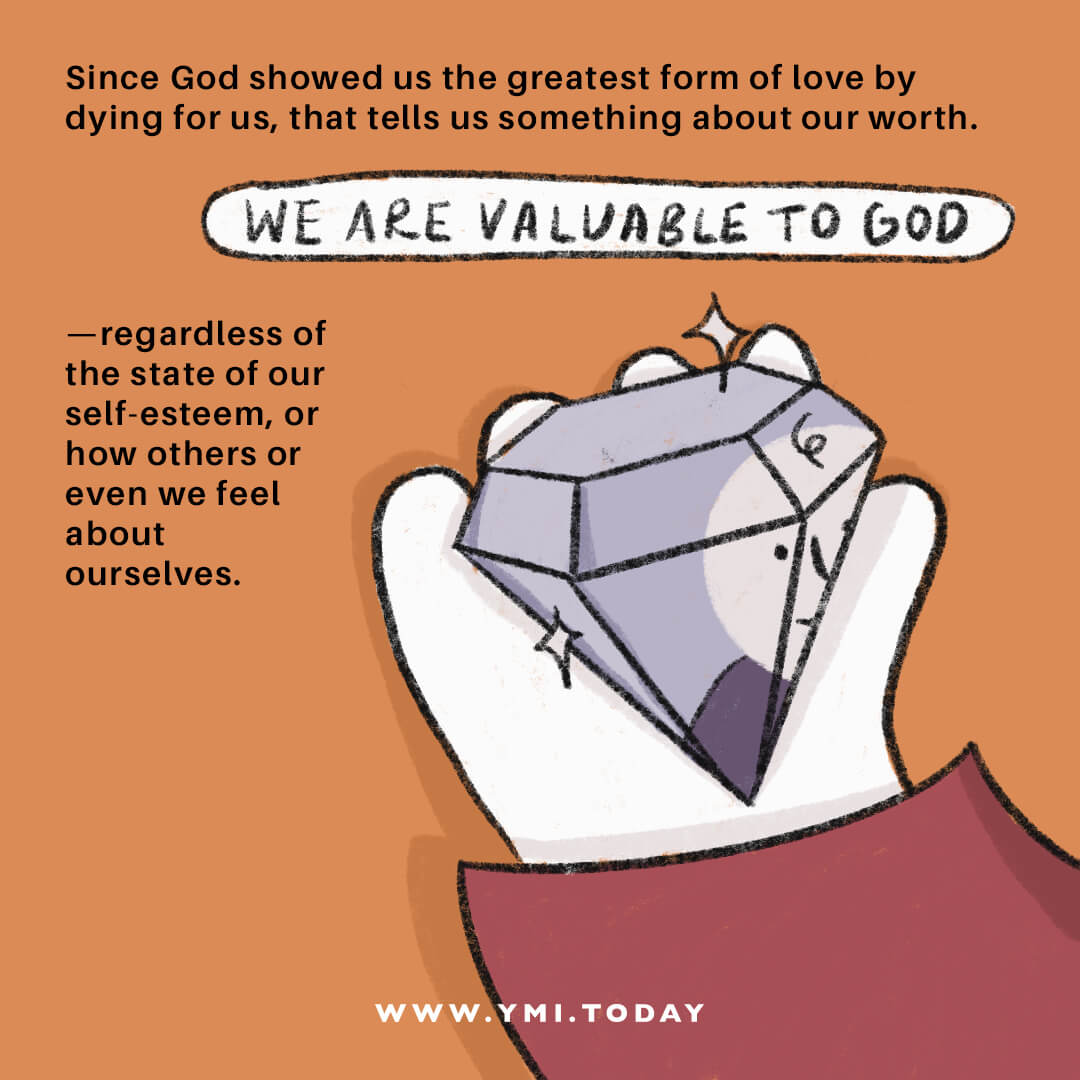
Project is adapted from original article:
 |








Hey! The Lord be with you 🙂 Thanks for this article. I just wanted to express some thoughts… I appreciate the views expressed in this article but there are some ideas that I felt were contentious and didn’t seem right to me.
I actually agree with most of the views here. I understand where this article is coming from with regards to how people can sometimes be incredibly self-absorbed and self-obsessed sometimes. I understand from the examples cited in the article that yes people can be quite obsessed about our own interests, our own feelings, our own subjective experience of the world. I agree that our obsession with ourselves can become quite unhealthy, it leads to covetousness and selfishness and self-righteousness and so many things that God does not desire. It doesn’t help that our language and the prevailing talk about ‘living your truth’ seem to encourage this self-indulgent, at times hedonistic culture. I fully appreciate the heart that lies behind calling out this self-indulgent way of thinking. I agree that precisely this kind of talk misconstrues the very idea of self-love. I believe that Christians are not called to participate in this lifestyle nor subscribe to this way of thinking. And I fully agree with the conclusion that ultimately Christians need to look to God’s love for acceptance.
Where I must disagree with this article is on the wording. I feel that the wording was misleading and it nearly caused me to stumble, and I’m writing this to reflect my concern, lest this article stumbles other Christians into developing a warped idea of self-love.
1. The idea of ‘self-love’ in this article was used to represent the prevailing views from social media and pop culture, but it is a far cry from what self love actually is, and I feel like I cannot agree with this definition. I therefore felt that it is unfair to label self-love as such. Self love is actually about unconditional acceptance of the whole self, including my light and my shadow, my strengths as well as my liabilities. Self love points to the deep human need for love and acceptance. It points to the fact that we all have brokenness that we are ashamed to show, but true self only receives healing and growth when it is exposed to relationship, it cannot grow when it is hidden. Only by accepting the whole self, embracing the whole person for its light and shadow beneath the pretenses of ego and bravado, only by having the courage to bring the whole self into relationship, can I truly receive growth and nourishment. This is true for any relationship and also for the believer’s relationship with God. I note that a similar view is indeed expressed within the article — God indeed has also demonstrated unconditional acceptance and love to all his children, Jesus showed it by loving us while we were sinners and offering his life as a perfect sacrifice of atonement for ours, he gave his life in our place because he loved us for exactly who we are. God’s love for us gives us strength to accept ourselves. We have security knowing that we have no condemnation in Jesus as the Apostle Paul writes in Romans 8, and we know from Zechariah 3 that Jesus our risen High Priest intercedes for us and defends us against the accusations of the adversary. Because we have this security with Jesus, we can allow him into our lives, to help us in our weakness and to heal our hurts. I would therefore like to establish that self love is compatible with the biblical idea of God’s love. This is why I found the title of the article to be misleading and confusing. The answer to the question ‘Should we love ourselves’ is a resounding YES, the contention was never about whether we should love ourselves, but about what is the source of that unconditional acceptance and whose strength we should be relying on (and I believe that this is the underlying message of the article).
2. Let’s call a spade a spade, self-love has got nothing to do with self-indulgence. When the article talks about humans being obsessed with our emotions and thoughts and judgments, I believe it refers to the latter. I agree that self-indulgence is not a healthy view of the world. And it is precisely this conflation of self-love and self-indulgence that stumbles believers. Let me elucidate how these two are different. Self-indulgence is self-obsessed, it only cares about my happiness. Self-love acknowledges that my happiness is important and God wants me to be happy, but it acknowledges that my happiness is not the centre of the universe. Self-indulgence is about giving myself license to do whatever I want, it does not care about direction or about boundaries. Self-love understands that God has given me freedom from shame and condemnation by unconditionally accepting me and justifying me, but it also accepts that God has also given me clear direction and precepts for how to live my life, God has drawn the boundary lines in pleasant places, my freedom was meant for me to enter into relationship with God and not to indulge the flesh (Galatians 5). Therefore, I feel like the appropriate and helpful response for us as Christians is to redefine how we understand the concept of self-love from the lens of Scripture, rather than to condemn self-love as a limited and flawed endeavour. Such a blanket statement is simplistic and untrue.
3. The pursuit of flourishing is not inherently self-seeking or self-indulgent or narcissistic. We know from Genesis that God’s creation is good, and God is delighted when his creation is flourishing. Here’s where I would like to point out that the pop culture idea that happiness is simply hedonic pleasure is a very limited understanding. Happiness lies in 2 axes: hedonic (pleasure, which can be fun but self absorbed), and eudaimonic (beyond the self, this is good functioning, the good life). Hedonic pleasure is fleeting, it’s the passing happiness of ‘feel-good’ moments that we get from a nice view, a good coffee, a new purchase, reaching a goal etc. It leaves us feeling only temporarily satisfied. But a eudaimonic happiness is one of deep fulfilment and satisfaction. It takes into account the view that life isn’t just composed of a series of haphazard scattered incidents, but a holistic entity. Eudaimonia is when one experiences meaning and purpose in life, one can learn from experiences to grow and reach full potential. In this view, eudaimonic happiness isn’t about reckless self-indulgent partying, neither is it the narcissistic self-absorbed ‘my happiness comes first at the expense of yours’ mentality… but it’s about being my best self by helping those around me be our best selves together. And this happiness can be integrated with God’s design for our lives. Psychology and the Christian worldview are not mutually exclusive fields of knowledge, but are rather interrelated fields of overlapping elements that inform each other and preserve mutual integrity.
I hope that you will consider these opinions, I know that they are far from perfect and I do not claim to be an expert in psychology. I just felt that some of the terminology and arguments presented in this article are not right, and I felt that certain ideas were not accurately represented. I felt genuinely concerned because I think it’s dangerous for Christians to understand mental health / psychology and the Christian worldview as two separate things. The implication for believers undergoing professional help or therapy for mental health is that they may hear conflicting views from both sides that claim to be right. And when they get better, they may not be able to tell whether it was God who helped them or whether it was counselling. This could cause unnecessary confusion and distress, when the simple truth is that these two areas are actually interrelated and equally valid. I just wanted to caution us to be careful not to stumble others with our words, not because ‘political incorrectness’ threatens to stifle our freedom with language, but because Christians are exhorted to love one another.
God’s peace be with you 🙂